Introduction
Selecting the right solar manufacturing facility is a critical decision that directly impacts your project’s efficiency, cost, and long-term performance.
With growing demand for renewable energy, many investors are searching for the Best Solar Manufacturing Plant that delivers quality, scalability, and compliance.
From technology selection to location advantages like a Solar Manufacturing Plant in Jaipur, this guide helps you make an informed choice.
10 Ways Choose the Best Solar Manufacturing Plant
1. Evaluate Manufacturing Technology & Equipment
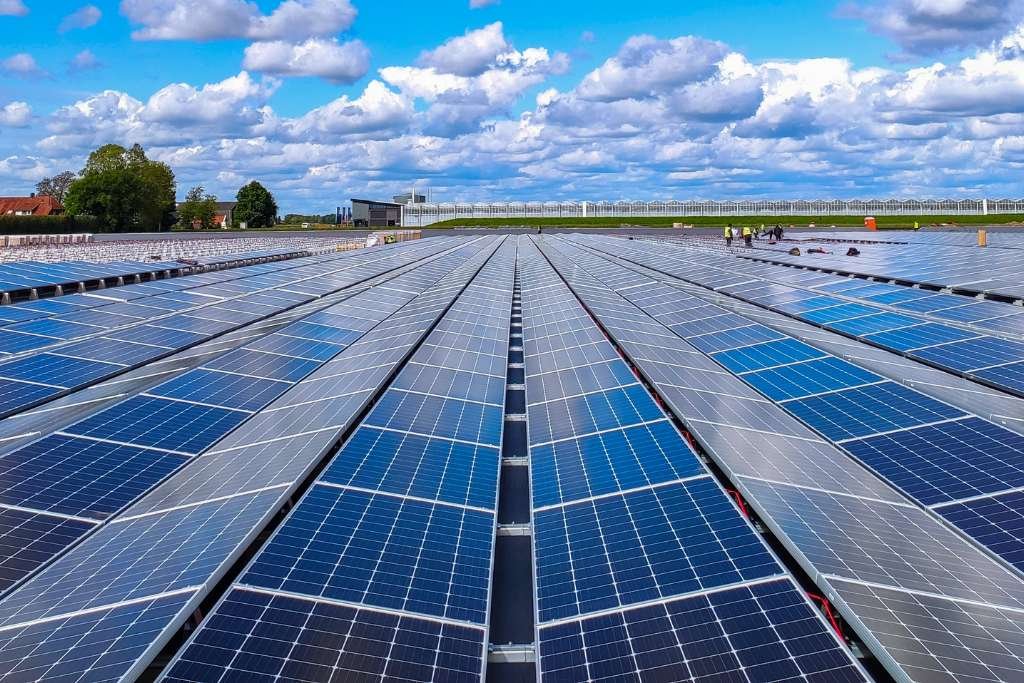
The foundation of any solar plant lies in its technology. Ensure the manufacturing unit uses advanced machinery for module assembly, cell production, and quality testing.
Automation, precision equipment, and upgraded production lines reduce defects, increase efficiency, and ensure consistency in output—key traits of a reliable solar manufacturing plant.
2. Assess Production Capacity & Scalability
A plant’s production capacity should align with your current and future requirements. Scalable facilities allow you to expand without major infrastructure changes. Choosing a manufacturer with flexible production capabilities ensures your solar project can grow seamlessly as demand increases.
3. Check Quality Standards & Certifications
Always verify compliance with international and national quality standards. Certifications such as ISO, IEC, and BIS reflect reliability and product safety. High-quality modules reduce maintenance costs and improve energy output, making certified plants a safer long-term investment.
4. Analyze Raw Material Sourcing
Consistent access to high-grade raw materials like solar cells, glass, and EVA sheets is crucial. Plants with strong supplier networks ensure uninterrupted production and stable quality. This reliability helps avoid delays and protects your project timeline from unexpected disruptions.
5. Compare Solar Manufacturing Plant Price
Cost plays a major role in decision-making. Compare the Solar Manufacturing Plant Price across vendors, considering equipment quality, automation level, and after-sales support. Avoid choosing solely on low pricing; long-term efficiency and reliability matter more than initial savings.
6. Location & Infrastructure Advantage
The plant’s location affects logistics, labor availability, and operating costs. A Solar Manufacturing Plant in Jaipur offers excellent connectivity, skilled manpower, and supportive industrial infrastructure. Strategic locations reduce transportation expenses and enable faster project execution.
7. Review Energy Efficiency & Sustainability
Modern solar plants should follow sustainable manufacturing practices. Energy-efficient machinery, waste reduction processes, and eco-friendly operations reflect responsible manufacturing. Such facilities not only lower operational costs but also align with global sustainability goals.
8. After-Sales Support & Maintenance
Post-installation support is often overlooked but extremely important. Choose a manufacturer that offers technical assistance, maintenance guidance, and spare parts availability. Strong after-sales service ensures smooth operations and minimizes downtime over the plant’s lifecycle.
9. Customisation & Project Flexibility
Every solar project has unique requirements. The Best Solar Manufacturing Plant should offer customization in layout, capacity, and technology. Flexible design solutions help optimize land use, energy output, and overall project efficiency.
10. Experience & Industry Reputation
Experience matters in large-scale solar manufacturing. Review past projects, client testimonials, and industry presence. Established manufacturers understand regulatory challenges, operational risks, and performance benchmarks—making them better partners for successful solar ventures.
Benefits of Solar Manufacturing Plant
- Cost Efficiency – In-house manufacturing significantly reduces dependency on imports, lowering overall project costs and improving ROI.
- Quality Control – Direct oversight ensures consistent module quality, minimizing defects and improving long-term performance.
- Faster Project Delivery – Local manufacturing shortens lead times and accelerates project execution schedules.
- Scalability – Modular plant designs allow easy capacity expansion as energy demands grow.
- Sustainability Impact – Solar manufacturing plants support clean energy goals, reduce carbon footprint, and promote energy independence.
Why Hire ENEEPL
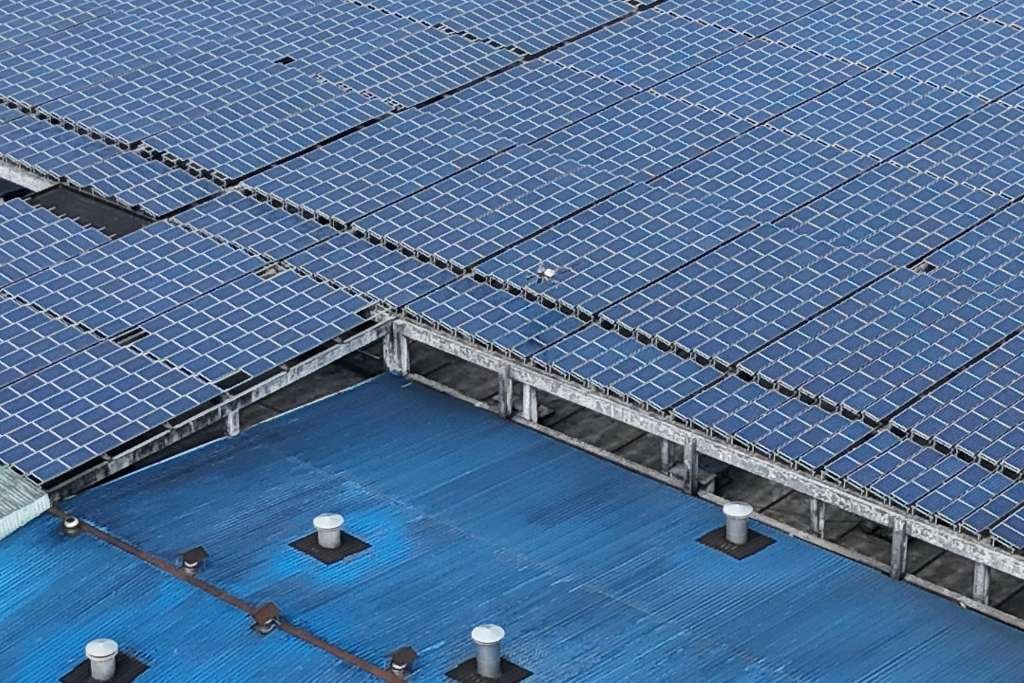
ENEEPL brings expertise, innovation, and end-to-end solar manufacturing solutions under one roof. From plant design and equipment selection to commissioning and support, ENEEPL focuses on performance, compliance, and scalability.
With a customer-centric approach and deep industry knowledge, ENEEPL helps businesses build the Best Solar Manufacturing Plant tailored to their project goals and budget.
Conclusion
Choosing the right solar manufacturing partner is a strategic investment in your project’s success. By evaluating technology, cost, scalability, location, and expertise, you can confidently select a plant that delivers long-term value.
Partnering with an experienced company like ENEEPL ensures quality execution, sustainable growth, and a future-ready solar manufacturing facility built to perform.